
 Mike Lewis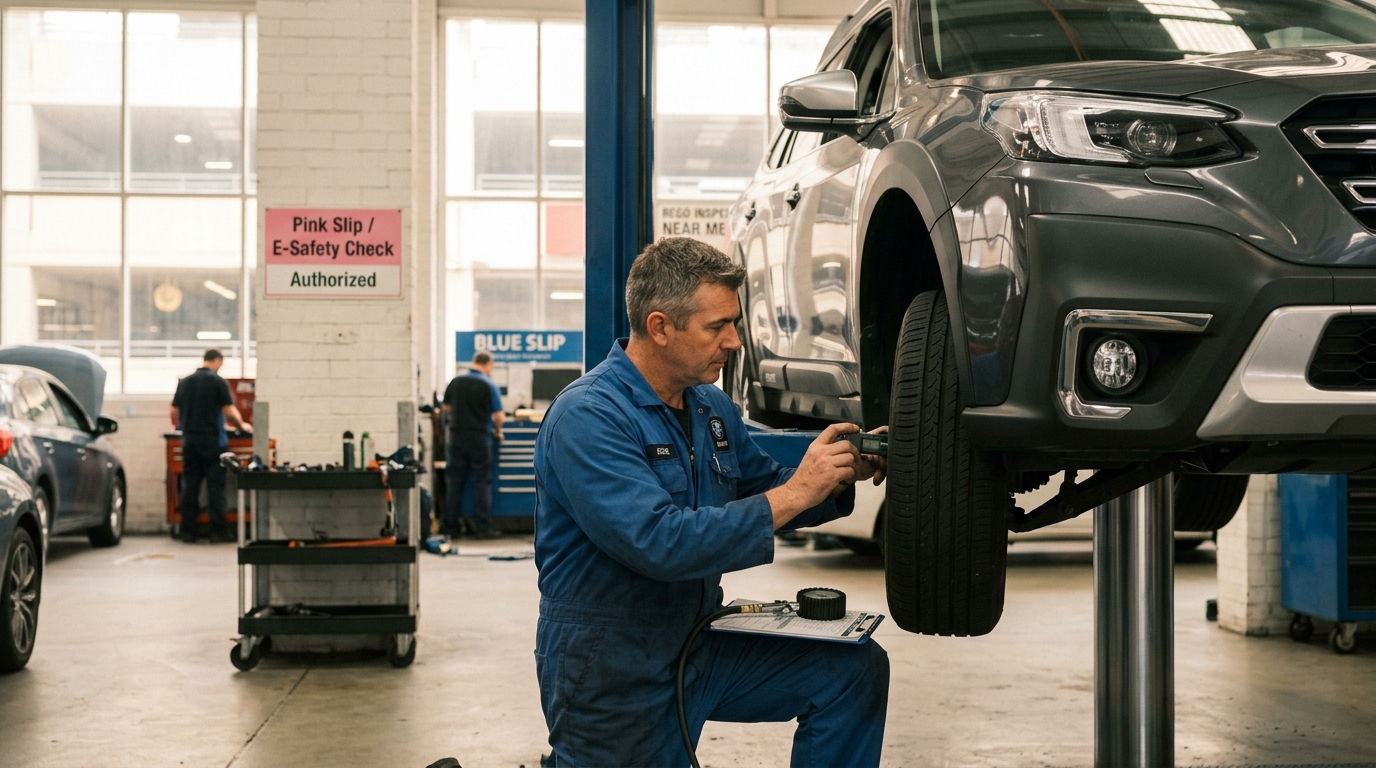
Owning a car gives you freedom, but keeping it on the road means following state regulations. The condition of your vehicle directly affects road safety, the environment, and your liability as a driver. When a vehicle requires a registration inspection, choosing an authorised local inspection station can make the renewal process much easier. Bondi Junction motorists can arrange relevant vehicle inspections through Bondi Motor Works. Drivers in Bondi Junction and Sydney’s Eastern Suburbs can check their registration renewal notice to determine whether a safety inspection is required before renewal.
Regular safety checks are more than just paperwork; they are a critical defence against mechanical failures on public roads. Understanding the different types of vehicle inspections and what mechanics look for helps you navigate the registration renewal process with ease.
The Importance of Annual Vehicle Inspections
Every car experiences gradual wear and tear. Driving continuously wears down critical parts like brakes, suspension, and tyres. State regulations require regular safety checks to ensure all vehicles on the road meet minimum safety standards.
+———————————————————————–+
| STAGES OF VEHICLE REGISTRATION RENEWAL |
+———————————————————————–+
| 1. Quick Self-Check –> Check lights, tyres, and fluid levels |
| 2. Vehicle Inspection –> Authorised mechanic checks the car |
| 3. Digital Clearance –> Results sent directly to Service NSW |
| 4. CTP Green Slip –> Purchase compulsory third-party cover |
| 5. Registration Renewal –> Finalise your renewal online or in-person|
+———————————————————————–+
Beyond meeting legal requirements, booking a vehicle safety inspection provides important protections:
-
CTP Insurance Validity: In NSW, a safety check (Pink Slip) is often required before you can buy your CTP Green Slip. Driving an unregistered vehicle voids this insurance, leaving you personally liable for any injuries caused in an accident.
-
Preventing Major Breakdowns: Catching minor vehicle wear early stops it from turning into expensive major repairs. An inspection acts as a regular health check for your car.
-
Avoiding Fines and Demerit Points: Police use automated number plate recognition (ANPR) cameras to instantly flag unregistered cars. Fines for driving an unroadworthy, unregistered vehicle are steep and come with severe demerit points.
Understanding Pink Slips, Blue Slips, and White Slips
Navigating vehicle registration means knowing which type of inspection your car actually needs. Authorised inspection stations offer different checks based on your vehicle’s age and registration history.
┌────────────────────────┐
│ Vehicle Assessment Type│
└───────────┬────────────┘
│
┌────────────────────────────┼────────────────────────────┐
▼ ▼ ▼
┌────────────────────┐ ┌────────────────────┐ ┌────────────────────┐
│ PINK SLIP │ │ BLUE SLIP │ │ WHITE SLIP │
│ (E-Safety Check) │ │(Unregistered/Import│ │(Defect Rectification)│
└───────────┬────────┘ └───────────┬────────┘ └───────────┬────────┘
│ │ │
Standard annual check Comprehensive safety Issued when a vehicle
for vehicles over 5 and identity check fails a safety check
years old. for lapsed registrations. and needs repairs.
The Pink Slip (E-Safety Check)
For light vehicles older than five years, an annual Pink Slip is required. Mechanics now transmit these results electronically straight to Transport for NSW. The check focuses on basic safety features to ensure the car is safe for daily driving.
The Blue Slip Assessment
A Blue Slip is a much more thorough inspection. Your car will need a Blue Slip if:
-
Registration expired more than 3 months ago.
-
The vehicle is being brought into NSW from another state or overseas.
-
The car has undergone major structural modifications.
-
The registration was previously cancelled due to severe defects.
A Blue Slip also verifies the vehicle’s identity by checking engine numbers and the Vehicle Identification Number (VIN) to ensure it isn’t stolen.
The White Slip (Defect Notice)
If a vehicle fails a Pink or Blue Slip inspection, the mechanic issues a White Slip listing the specific repairs needed. You generally have 14 days to fix these issues and have the car re-inspected without having to pay for a completely new inspection.
What Mechanics Check During an Inspection
Understanding what mechanics look for can help you prepare. Authorised technicians follow strict NSW government guidelines.
+————————————————————————–+
| CORE INSPECTION CHECKLIST |
+———————–+————————————————–+
| COMPONENT | WHAT THEY CHECK |
+———————–+————————————————–+
| Brakes | Pad thickness, disc condition, handbrake hold |
| Steering & Suspension | Bushing wear, shock absorbers, loose components |
| Tyres & Wheels | Tread depth (≥1.5mm), sidewall damage |
| Lights & Signals | Headlights, indicators, brake lights working |
| Body & Structure | Rust, secure panels, windscreen chips |
| Interior | Seatbelts, horn, warning lights on dash |
+————————————————————————–+
1. Brakes
Mechanics check brake pad thickness, look for wear on the disc rotors, ensure there are no fluid leaks, and test that the handbrake can firmly hold the vehicle.
2. Steering and Suspension
The car is hoisted up to check underneath. Mechanics look for excessive play in steering joints, check rubber boots for grease leaks, and test the shock absorbers for proper function.
3. Wheels and Tyres
Tyres must have a minimum tread depth of 1.5mm across the main face of the tyre. They are also checked for uneven wear, sidewall damage, or structural issues.
4. Body and Rust
The car’s frame and panels undergo a visual check. Heavy rust that compromises the structure will cause an instant fail. Body panels must be secure, with no jagged edges.
5. Lights and Visibility
All exterior lights—headlights, indicators, brake lights, reverse lights, and number plate lights—must work properly. Windscreens are also checked for chips or cracks directly in the driver’s line of sight.
Step-by-Step: Securing Your Registration Renewal
Following a simple process prevents delays and saves you from paying unnecessary re-inspection fees.
-
Do a Quick Self-Check: Walk around your car to make sure all lights and wipers work. Check tyre pressures and clean the windscreen.
-
Find a Local Authorised Inspection Provider: Look for a reputable local workshop that is fully authorised by the state to perform safety checks and sends results electronically to Service NSW.
-
Get the Vehicle Inspected: Drop your car off so certified mechanics can test the brakes, suspension, tyres, and lights.
-
Buy CTP and Renew Registration: Once your E-Safety Check is electronically lodged by the mechanic, buy your Green Slip and pay your registration renewal online.
The Advantage of Choosing a Good Local Mechanic
While many places can do a basic safety check, choosing an established local workshop makes the process much smoother.
+————————————————————————–+
| CHOOSING AN INSPECTION STATION |
+———————–+———————–+————————–+
| FEATURE | BASIC WORKSHOP | QUALITY LOCAL MECHANIC |
+———————–+———————–+————————–+
| Rectification Speed | May need to rebook | Can fix minor issues fast|
| Paperwork | Sometimes manual | Instant E-Safety upload |
| Service Level | Transactional | Helpful advice |
+————————————————————————–+
When scheduling your safety check at a trusted local facility like Bondi Motor Works, you gain a few distinct advantages. If your car has a minor issue—like a blown bulb or worn wipers—a good service station can often fix it right then and there. This saves you the hassle of being failed, driving away to fix it, and having to book a second appointment.
Proactive Tips to Pass First Time
Failing a safety check is an unnecessary hassle. Check these basic items before your appointment to increase your chances of passing straight away:
-
Check Your Lights: Have someone stand outside while you test the headlights, high beams, indicators, reverse lights, and brakes. Replace any blown bulbs.
-
Wipers and Washer Fluid: Top up your windscreen washer fluid and make sure your wiper blades clean the glass without leaving major streaks.
-
Check Your Tyres: Look at the tread to ensure it isn’t completely worn down, and inflate your tyres to the recommended pressure found on the inside of the driver’s door.
-
Look for Leaks: Check your driveway for fresh puddles of oil or coolant. A major active leak will fail an inspection.
-
Dashboard Lights: Make sure warning lights (like the Check Engine or Airbag light) turn off a few seconds after starting the car.
Getting your vehicle inspected shouldn’t be stressful. By choosing an authorised inspection station early, you fulfill your legal obligations and keep yourself and others safe on the road. Regular checks stop minor vehicle wear from becoming a major hazard, giving you peace of mind on every journey.